Carpets can retain unpleasant odours even when the room is regularly vacuumed and appears reasonably clean. This is because odour-causing residues may settle below the visible surface, becoming trapped around the fibres, backing or underlay.
For households in Broadstairs, Kent, identifying the source of the smell is an important first step. Professional carpet cleaning can remove many forms of embedded contamination, but the method must suit the carpet and reach the depth at which the odour is developing.
Why Carpet Odours Can Be Difficult to Remove
Carpets contain several layers. The visible pile sits above a backing, while underlay may be installed beneath the carpet. Liquids and fine particles can pass through the pile and remain within these lower layers, where routine vacuuming cannot reach them.
Room fragrances and surface sprays may temporarily disguise the smell, but they do not remove its source. Effective treatment requires the type and extent of contamination to be assessed.
Spilt Drinks and Food Residues
Drink spillages and dropped food can leave small amounts of organic residue between carpet fibres. Even when the visible mark has been removed, material may remain below the surface.
If the spill was not extracted thoroughly, the affected area may develop an unpleasant smell over time. Adding more moisture during repeated home cleaning can spread the residue or push it further into the carpet.
Pet-Related Contamination
Pet accidents can penetrate the carpet pile and reach the backing or underlay. Surface wiping may improve the area temporarily, but the odour can return as the carpet warms or humidity changes.
Pet hair and natural oils can also accumulate in frequently used areas. A suitable professional treatment should target the affected material rather than simply adding a scented product to the surface.
Moisture Trapped Within the Carpet
Carpets that remain damp for too long after a spillage, cleaning attempt or water exposure may develop a persistent musty smell. Limited ventilation can slow the drying process, particularly in rooms with heavy furniture or little airflow.
The source of the moisture must be resolved before cleaning. Treating the carpet while dampness continues is unlikely to produce a lasting improvement.
Outdoor Dirt and Mud
Shoes can carry mud, moisture and other outdoor contaminants into the home. As this material dries, fine particles settle deeper into the pile and become difficult to remove through ordinary vacuuming.
Entrance areas, hallways and frequently used walkways are particularly vulnerable. The carpet may gradually acquire a stale or earthy smell even when there is no single obvious stain.
Smoke and Cooking Vapours
Carpet fibres can absorb airborne odours produced by cooking, smoke and other household activities. These smells may build up slowly and become more noticeable after a room has been closed for some time.
Cleaning the carpet can form part of refreshing the room, although other absorbent surfaces may also be retaining the same odour. The wider source should therefore be considered rather than assuming the carpet is solely responsible.
Cleaning Product Residue
Using too much carpet shampoo or failing to extract it properly can leave residue within the fibres. This may create an unpleasant smell of its own and make the surface feel sticky.
Residue can also attract fresh soil, causing the carpet to become dirty again more quickly. Professional rinsing and extraction may be required to remove both the previous cleaning product and the soil attached to it.
Odours Within the Backing or Underlay
When contamination passes through the carpet, cleaning the pile alone may not solve the problem. The backing and underlay can retain moisture and residues after the surface has dried.
Signs that the issue may extend below the pile include:
- an odour that returns soon after cleaning
- a smell concentrated in one particular area
- repeated pet accidents in the same location
- a previous large liquid spillage
- dampness that took a long time to dry
- discolouration returning after treatment
A professional inspection can help determine whether the carpet itself can be treated effectively or whether the materials beneath it also require attention.
Why Vacuuming Does Not Remove Every Odour
Vacuuming is essential for removing loose dust, hair and surface debris. However, it cannot extract sticky residues, dried spillages or contamination held deep within the fibres.
Fragranced powders may mask odours temporarily, but they can also leave additional material in the pile. When the smell repeatedly returns, deeper professional cleaning is usually more appropriate than applying further surface products.
How Professional Carpet Cleaning Can Help
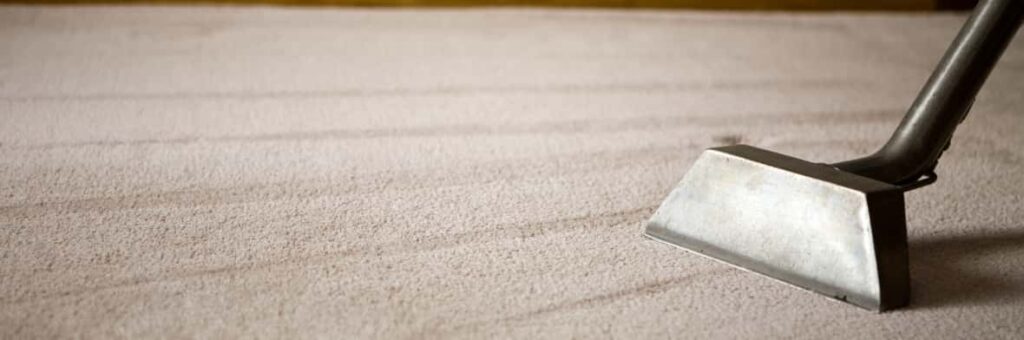
Professional carpet cleaning begins with assessing the fibre type, construction and condition of the carpet. Stains and odour sources can then be treated with suitable products before the carpet is cleaned using an appropriate method.
Effective extraction removes loosened soil, residues and excess moisture rather than leaving them within the pile. Controlled application is important because overwetting a carpet can prolong drying and contribute to further odour problems.
Professional cleaning can provide a considerable improvement where the contamination remains treatable. However, no responsible cleaner should guarantee complete odour removal before establishing how deeply the source has penetrated.
Preventing Odours From Returning
Prompt attention to spillages can reduce the likelihood of residues reaching the carpet backing. Blotting rather than rubbing helps limit spreading, while suitable ventilation supports drying.
Regular vacuuming, entrance mats and timely professional cleaning can also prevent everyday contamination from becoming heavily embedded. If an odour returns repeatedly, the source should be investigated rather than continually disguised.
Conclusion
Lingering carpet odours are commonly caused by spillages, pet-related residues, trapped moisture, outdoor soil, airborne vapours or cleaning products left within the fibres. In some cases, the contamination may have reached the carpet backing or underlay.
If your carpet in Broadstairs, Kent continues to smell unpleasant despite regular vacuuming, K&S Carpet Cleaning Broadstairs can assess its condition and recommend a suitable cleaning approach. Contact the team to arrange professional carpet cleaning focused on removing the source rather than simply masking the odour.
Call us on: 01843 264 690
Click here to find out more about K&S Carpet Cleaning Broadstairs
Click here to complete our contact form and see how we can help with your carpet needs.