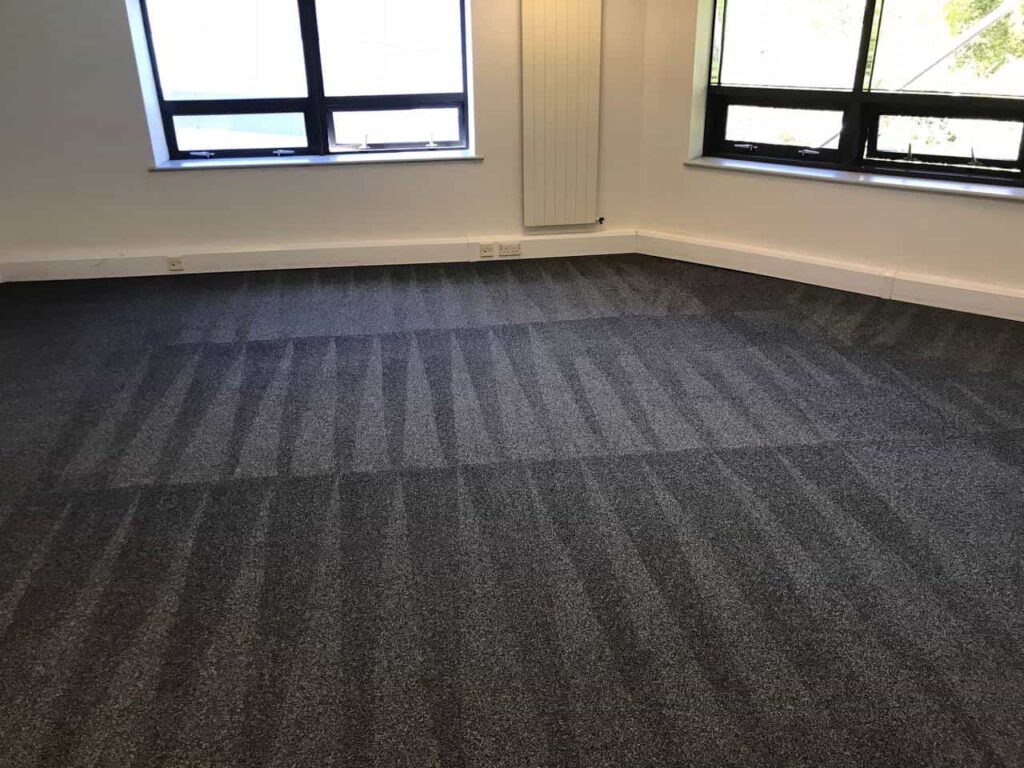
A room can look tidy yet still develop a stale or stuffy smell. Opening a window may improve it temporarily, but the odour often returns because its source remains within the room.
Carpets, rugs and upholstered furniture can retain dust, everyday residues and old spillages below their visible surfaces. Professional deep cleaning may provide a noticeable improvement when these materials are contributing to the problem. For households in Broadstairs, Kent, the first step is understanding where the odour is coming from and selecting the correct cleaning method.
How Deep Cleaning Can Improve a Stuffy-Smelling Room
Deep cleaning works below the surface level reached by routine vacuuming. It can loosen embedded debris, treat suitable odour sources and extract residues from textile fibres. Its effectiveness depends on what is causing the smell and whether the source is within the material being cleaned.
Why Carpets Can Retain Stale Odours
Carpet fibres are exposed to constant foot traffic and can collect fine dust, soil and organic debris over time. Some of this material settles deep within the pile, where ordinary vacuuming may not remove it completely.
The carpet can also absorb vapours from cooking, pets and everyday household activity. These residues may not create an obvious stain but can contribute to a generally stale atmosphere, particularly in rooms with limited airflow.
Old Spillages May Remain Below the Surface
A spillage can travel further into a carpet than the visible mark suggests. Although the surface may be cleaned quickly, some residue can remain within the lower pile, backing or underlay.
Repeated exposure to moisture or warm conditions may make the associated smell more noticeable. Professional assessment can help determine whether the problem is confined to the carpet fibres or has penetrated more deeply.
Upholstery Can Also Hold Odours
The carpet is not always the only textile contributing to a stuffy room. Sofas, armchairs and other upholstered items can collect body oils, dust, food particles and general household residue.
Cleaning the carpet while overlooking heavily used upholstery may provide only a partial improvement. Considering the room as a whole helps identify which soft furnishings are likely to be retaining unwanted smells.
Embedded Dust Can Make a Room Feel Less Fresh
Fine particles settle within carpets and fabrics even in a regularly maintained home. Vacuuming removes loose surface debris, but compacted material can remain in high-traffic areas and around furniture.
A professional cleaning process begins with thorough dry soil removal. This is important because much of the debris within a carpet is best extracted before moisture or cleaning products are applied.
How Professional Carpet Cleaning Works
The cleaning method should be selected according to the carpet’s fibre type, construction and condition. A typical process may include:
- Inspecting the carpet and discussing the odour
- Identifying visible marks and heavily used areas
- Removing loose and embedded dry soil
- Applying a suitable pre-treatment
- Agitating the fibres where appropriate
- Extracting loosened dirt and cleaning residues
- Supporting effective and even drying
This method addresses the material held within the carpet rather than simply covering the smell with fragrance.
Why Treating the Source Matters
Air fresheners and fragranced products may make a room smell different for a short time, but they do not remove the material creating the odour.
Professional cleaning aims to identify and treat the source where possible. This may involve focused work on a particular area rather than applying the same product across the whole carpet. Correct treatment also reduces the risk of leaving excess residue behind.
Pet-Related Odours Need Careful Assessment
Pet hair, natural oils and minor accidents can all contribute to a stale smell. Surface cleaning may be effective where the issue is contained within the carpet fibres.
If moisture has reached the backing, underlay or floor beneath, cleaning the visible surface alone may not completely resolve the problem. An honest assessment should establish the likely depth of contamination and explain what improvement can reasonably be expected.
Proper Drying Is Essential
A carpet should dry efficiently after deep cleaning. If excessive moisture remains within the material, the room may temporarily feel humid or smell less fresh.
Professional equipment is designed to recover cleaning solution and suspended soil effectively. Good ventilation and appropriate room conditions can then support drying. Furniture should not be returned to the carpet until the area is sufficiently dry.
When Deep Cleaning May Not Solve the Problem
Deep cleaning can help when the source is embedded soil, residues or contamination within carpets and upholstery. It cannot correct every cause of a stuffy room.
The odour may instead be associated with:
- Inadequate ventilation
- Persistent moisture elsewhere in the room
- Materials stored in enclosed cupboards
- Contamination beneath the carpet
- Curtains or other untreated fabrics
- A problem originating outside the cleaned area
If the smell remains after appropriate textile cleaning, the wider room should be investigated rather than repeatedly treating the carpet.
How to Keep the Room Fresher Afterwards
Regular maintenance can slow the return of trapped debris and stale odours. Helpful steps include:
- Vacuuming thoroughly and frequently
- Cleaning beneath movable furniture
- Responding to spillages promptly
- Washing suitable pet bedding regularly
- Allowing air to circulate through the room
- Keeping carpets dry
- Arranging professional cleaning when routine care is no longer enough
A consistent approach is more effective than relying on fragranced products after the smell has become established.
Why Professional Assessment Adds Value
Different odours require different responses. A professional carpet cleaner can inspect the fibres, identify likely sources and choose a suitable treatment without applying unnecessary moisture or unsuitable products.
This targeted approach provides a more dependable result and makes it easier to recognise when the carpet is not the principal cause.
Conclusion
Deep cleaning can help refresh a stuffy-smelling room when carpets, rugs or upholstery are retaining embedded dirt, old residues or pet-related odours. The best results come from identifying the source, selecting an appropriate cleaning method and allowing the materials to dry properly.
K&S Carpet Cleaning Broadstairs provides professional carpet and upholstery cleaning in Broadstairs, Kent. If a room continues to smell stale despite regular household cleaning, contact our team to arrange an assessment and suitable deep-cleaning treatment.
Call us on: 01843 264 690
Click here to find out more about K&S Carpet Cleaning Broadstairs
Click here to complete our contact form and see how we can help with your carpet needs.